
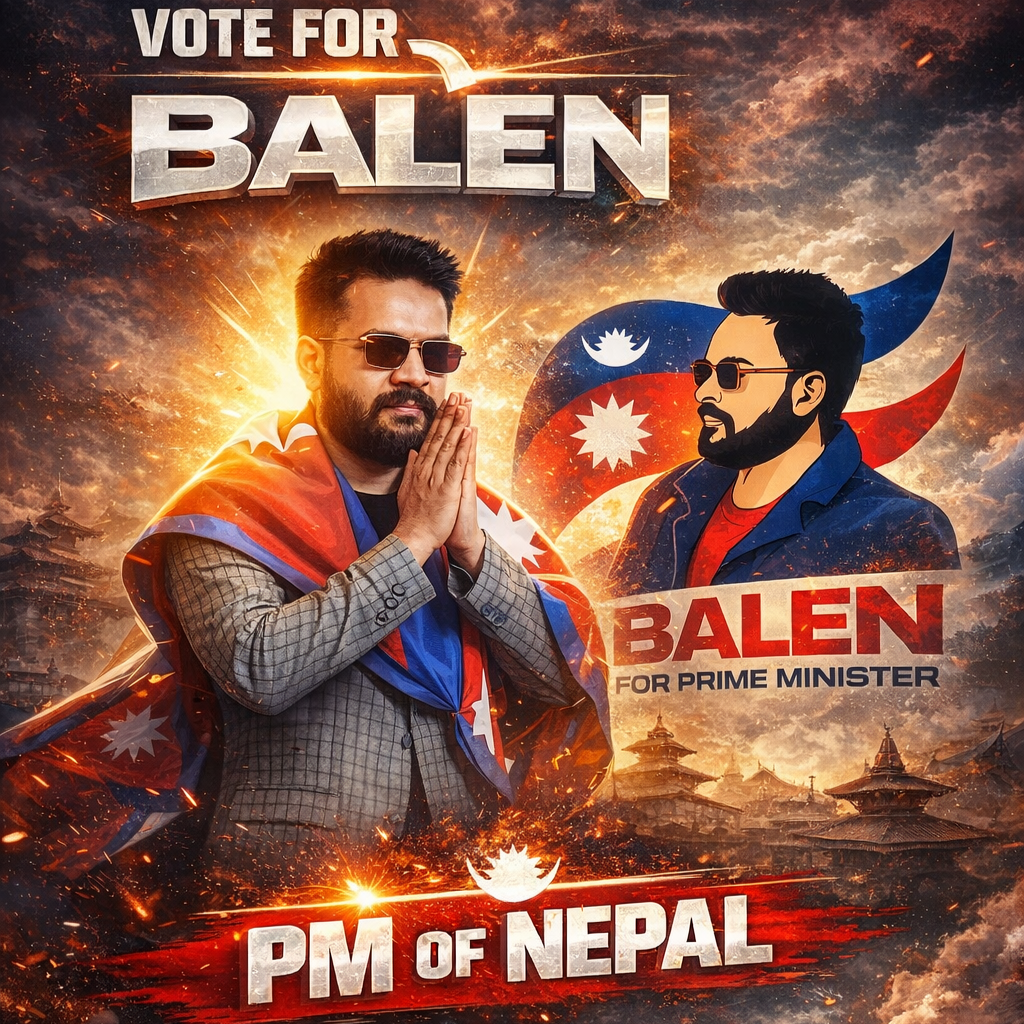
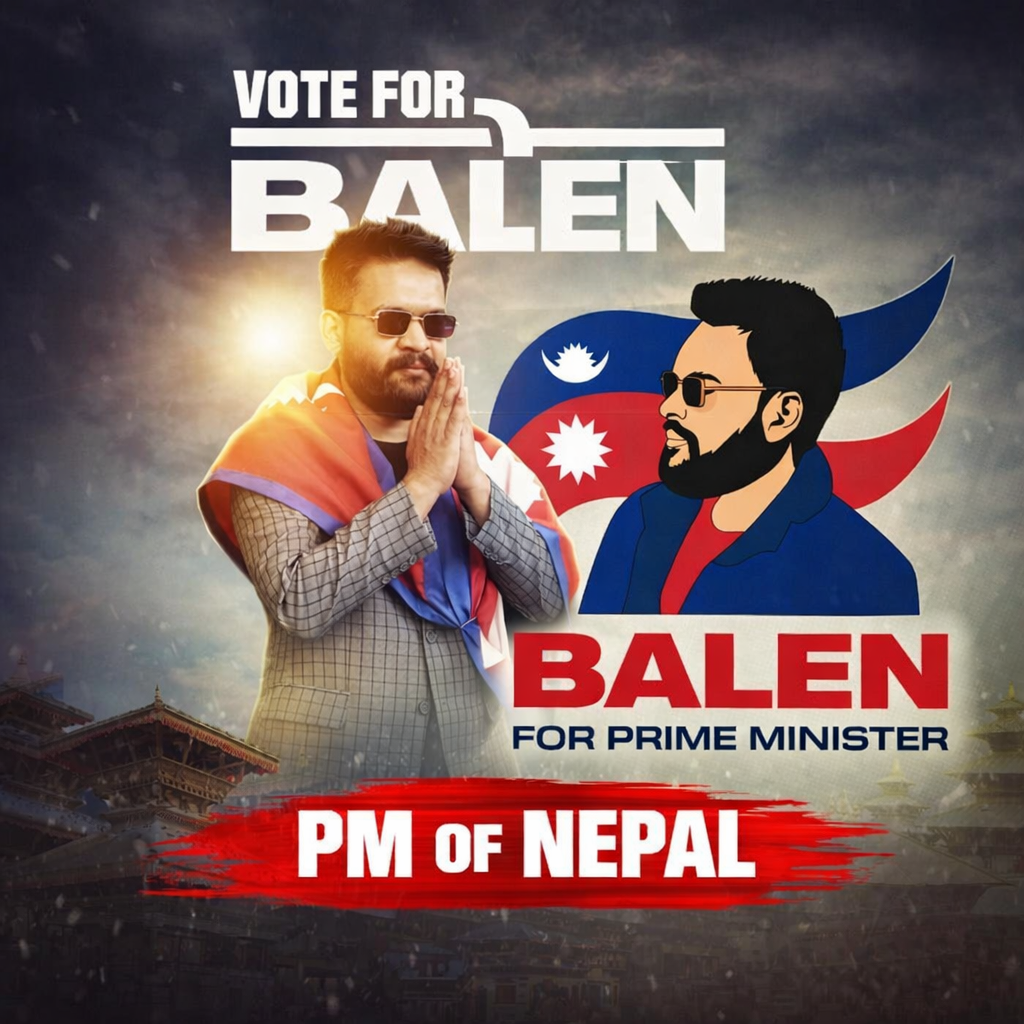
Following the March 2026 general election, Balen Shah and the Rastriya Swatantra Party (RSP) stand at the centre of a major political transition in Nepal. Supporters see this moment as a public mandate for accountability, anti-corruption reform, jobs, faster governance, and a decisive break from traditional politics.



National rise and public expectation
Balendra Shah, widely known as Balen, first built a strong public image through his leadership in Kathmandu and has now become one of the most important national political figures in Nepal. His rise reflects a wider demand for reform, discipline, and a break from old-style political control.
His national appeal is especially strong among younger voters, urban citizens, and people who want accountable leadership, better governance, and visible delivery rather than repeated political promises.
What this new mandate represents
For many citizens, this political shift represents more than one leader or one party. It represents a demand for cleaner government, faster public service, stronger institutions, and a political culture where performance matters more than slogans.
At the same time, this new mandate brings serious responsibility. Public hope is high, and people now expect the energy of change to become stable governance, economic progress, and credible reform.
A state system that reduces corruption, respects public money, and works with transparency and accountability.
An economy that creates employment, supports business, and gives young Nepalis practical opportunities at home.
Public offices that move faster, respond better, and deliver services with less delay and less political interference.
A stronger Nepal built on dignity, competent leadership, civic discipline, and trust between citizens and institutions.
Direction for the next chapter
The vision attached to this new political moment is of a Nepal where government is cleaner, institutions are more responsive, and young people can see a future inside the country rather than outside it. It is a vision built on accountability, opportunity, efficiency, and public dignity.
In that vision, development means more than roads and buildings. It means jobs, trust in institutions, competent leadership, fair systems, and a state that respects the time, rights, and aspirations of its citizens.
Send a message securely
Email: balenforpmnepal@gmail.com
For official messages, use the form. Replies will be sent to your email.
This is an independent fanbase website. It is not an official website of Balen Shah, RSP, or any government body. Content, summaries, and public information shown here may be compiled from various online sources and public reports for informational purposes only.